
Why Sustainability?
This collection of vignettes focuses on those projects and communities that are successfully sustainable, by which we mean they are particularly focused on:
- Financial sustainability: The relationship of revenue to expenses enables the project to create, deliver, sustain, and grow.
- Structural sustainability: A sound approach to organization and leadership, with safeguards against unethical activity.
- Ecological sustainability: Project activities and outcomes do no harm and/or contribute to the health and vitality of the planet.
We believe the best spiritual innovations are sustainable across all three arenas, enabling long-term impact.
1. The Phoenix
What is it?
In 2006, after his own struggles with substance use disorder, Scott Strode founded The Phoenix, a national nonprofit and recovery movement that provides free, community-based support to help end the substance use epidemic. Describing the last night he used, Strode recalls: “I knew that’s how I was going to die. And, in that realization, I thought of what it would be like for somebody to have to tell my mom that her son died on the bathroom floor.”
Today, The Phoenix is a national “sober active” community built around the belief that recovery is strengthened through connection, meaningful activity, and peer leadership. Rather than replacing traditional addiction programs, it complements them by creating safe spaces where participants build supportive relationships through group activities, particularly physical exercise.
In its efforts, The Phoenix seeks to reduce stigma by framing recovery as resilience and an avenue for belonging. For Strode, social isolation and disconnection are central features of the human experience and key risk factors for abusing substances. As he explains, “Somebody who’s struggled with a substance use disorder is just the same as everybody else. We just chose a drink and a drug as a way for us to cope with whatever pain we were trying to numb.” Accordingly, The Phoenix addresses the social conditions that ground addiction, leveraging the power of community and connection to foster long-term well-being.
Where does it demonstrate excellence in sustainability?
The Phoenix’s financial sustainability is grounded in broad community investment. Supported by grants, strategic partnerships, and individual giving, it makes membership free and accessible. Generous backing from foundations like Stand Together, corporate collaborations, competitive fundraising campaigns, and merchandise sales constitute a diversified funding portfolio.
What stands out in their approach to sustainability?
The Phoenix’s success and sustainability grow out of its accessible, distributed, and adaptive structure. Like Alcoholics Anonymous, it functions as a mutual-help organization; however, rather than centering discussion-based meetings and anonymity, it emphasizes personal and collective strength through shared activity. By operating publicly rather than anonymously, it also reduces stigma and grows pride through collective resilience.
Membership is free, open to anyone with 48 hours of continuous sobriety, and grounded in trust. Individuals are welcomed back without judgement following relapse, creating a flexible model of non-linear support. This combination appears effective: for example, 87% of individuals who have used opioids report remaining sober after three months of membership.
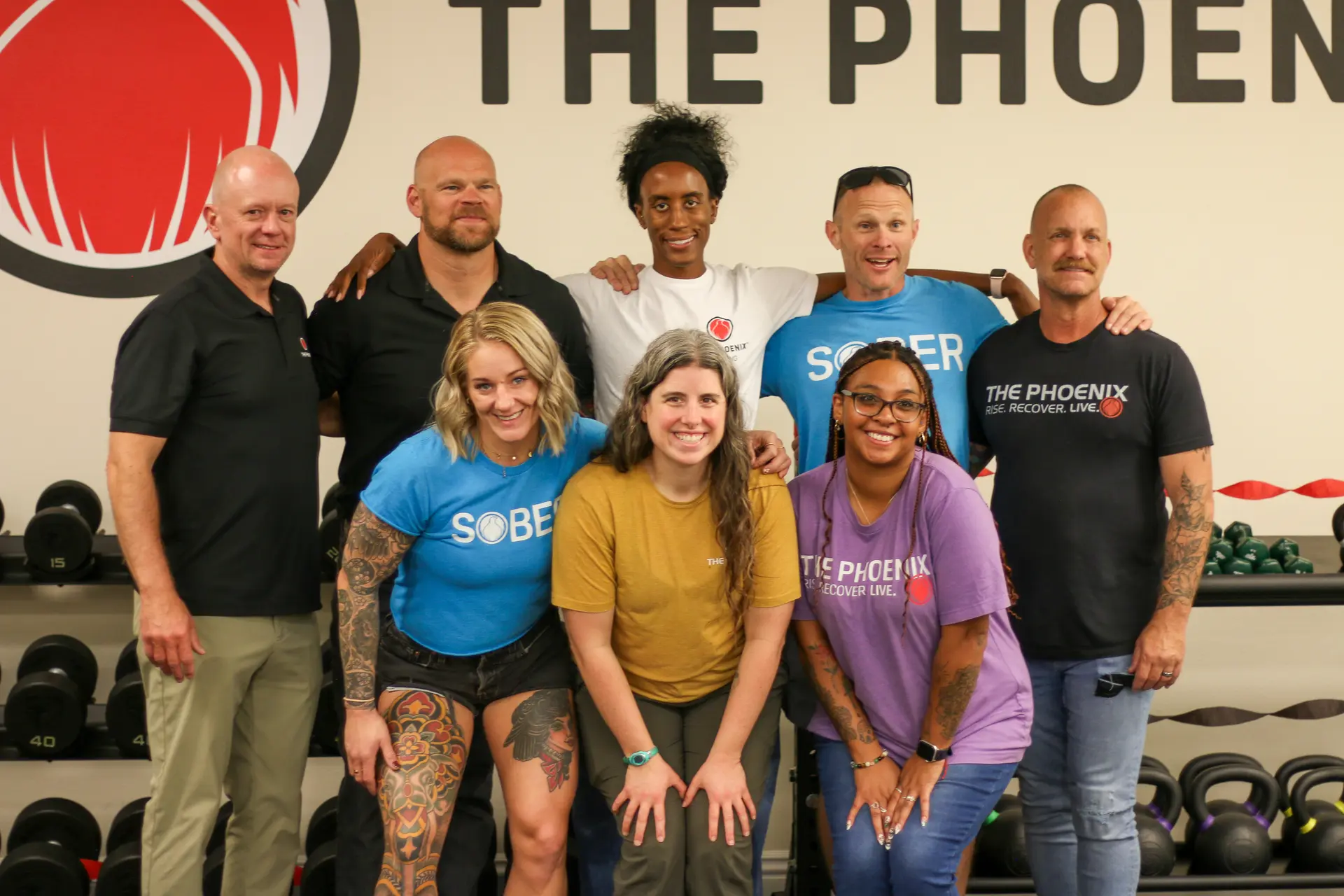
Some 4,000+ volunteers are the backbone of The Phoenix, distributing responsibility and reducing cost. By empowering members and allies to lead activities that reflect their interests and expertise, more than 1,200 volunteer-led events are offered each week across 48 states. Over one hundred staff train and support these volunteers to ensure that programs are offered at a high quality. This peer-led approach also reduces organizational hierarchy, which can make participation more accessible for those who’ve experienced trauma, shame, and institutional harm.
The Phoenix’s staffing structure prioritizes inclusion and accountability. Staff are recruited through an equity lens and supported by employee resource groups. Anonymous reporting tools and post-event surveys help promote psychologically safe and supportive environments as the organization grows. Programming unfolds in dedicated Phoenix spaces and through partnerships, creating sober-supportive “third places” where members can establish new routines and relationships.
Digital infrastructure also strengthens the organization. Through its NewForm platform, launched in 2025, The Phoenix offers livestreamed events, on-demand classes, podcasts, and milestone tracking. Together, its in-person and online communities have reached more than one million members.
Where do they struggle in their approach to sustainability?
More than 48.7 million Americans live with substance use disorder, with many more affected by its consequences. Against that backdrop, the organization hopes to reach ten million people by 2030. Maintaining its relational, community-centered model while expanding to meet such widespread needs will be a challenge.
Recent evaluation reports suggest that members and volunteers see opportunities for growth: both groups want more publicity and expanded programming, including team sports and non-exercise activities. To meet these demands, The Phoenix’s volunteer base will require ongoing investment.
2. Practicing the Way

What is it?
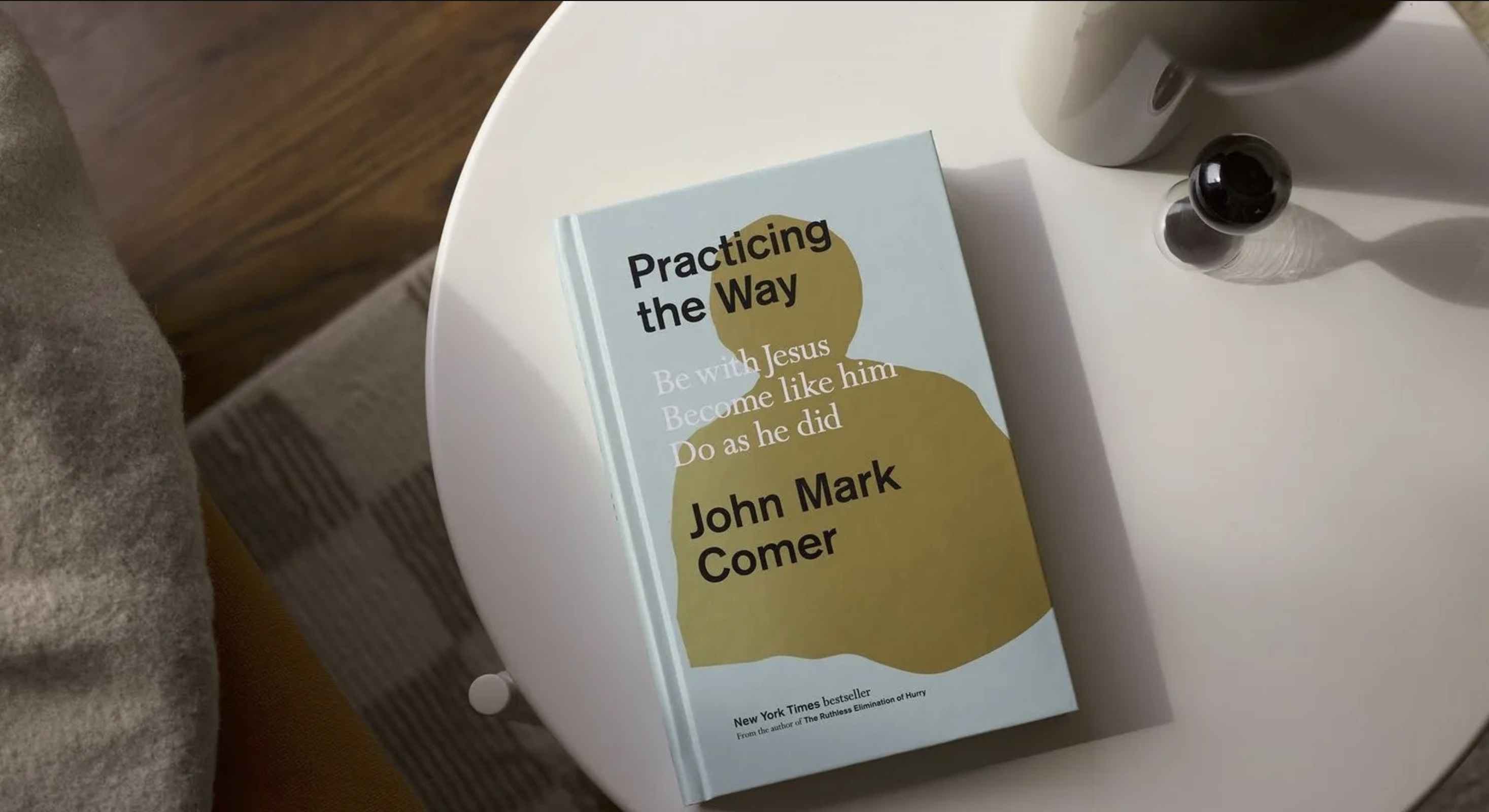
Practicing the Way is a non-profit organization founded in 2021 to help individuals and church communities integrate the spiritual practices of Jesus and his followers into contemporary life. Its free resources introduce people to the “relational rhythms” of ancient Christianity.
Practicing the Way is best understood as a digital ecosystem of resources—courses, classes, practices, and more—through which Christians can establish an intentional “rule of life.” A nondenominational spiritual formation program, it encourages individuals and groups to learn more about, center, and be shaped by Christian discipline and discipleship.
Central to the project is founder Mark John Comer, who also writes, teaches, and supports church planting efforts from Santa Monica, CA.
Where does it demonstrate excellence in sustainability?
Practicing the Way’s resources are available digitally for free, but they can also be downloaded, printed, and purchased in book form. This ‘freemium’ subscription model allows easy access while also generating income.
But most important to Practicing the Way’s financial sustainability is The Circle: a community of monthly givers who ensure the fiscal soundness and viability of the project. They are not a congregation, but nor are they simply donors—they commit to practicing the Christian disciplines together, as well as to supporting the work of Practicing the Way. (In this manner, they resemble a lay monastic order.) Members are encouraged to meet one another through invite-only digital events hosted by Comer, and their voices are often featured on podcast episodes—further building a sense of shared mission and community.
What stands out in their approach to sustainability?
Practicing the Way is one of a number of para-church organizations. Having grown a congregation in Portland, OR, Comer now works to support individual Christian leaders through his writing and programs in the hope that they will deepen spiritual life across congregations and communities around the world. Comer’s analysis centers on traditional churches’ failure to offer excellent spiritual formation, which leaves individuals without the resources needed to deepen their faith.
Where do they struggle in their approach to sustainability?
Practicing the Way draws from a wide range of Christian traditions—Evangelical, charismatic, contemplative, Orthodox, and more—without clearly locating itself within a denominational or theological tradition. While this facilitates access, it also raises questions about interpretation. Likewise, the organization’s reliance on The Circle—and acceptance of crypto donations—offers limited visibility into who is shaping the organization and its participants, potentially giving rise to questions of trust and influence.
Practicing the Way’s strong emphasis on intentional practice and personal transformation risks over-privileging the individual. Its contemporary design, while recognized for making spiritual formation approachable, has been critiqued for presenting spirituality as a personal “life hack.”
Relatedly, there are tensions between the organization’s individualized plan and its focus on community. Practicing the Way is clear about its commitment to group development and use; however, its digital format may contradict the embodied, collective dimensions of discipleship.
3. Beloved

What is it?
Beloved supports and nourishes spiritual leaders who are creating new spaces of sacred belonging. Founder Sara Luria operates from the conviction that the future of Jewish life will be built at an intimate scale, in the spirit of the minyan and the dinner table rather than the large synagogue. Beloved’s primary work is supporting a network of independent spiritual leaders and communities through two programs: Seeds, a year-long course in creating a new project; and the Garden, a cohort-based program offering peer support, skill-building, and community for leaders at a more developed stage.
Where does it demonstrate excellence in sustainability?
What makes Beloved structurally distinctive is that it operates simultaneously as a leadership incubator and as a fiscal sponsor—functions that most Jewish organizations keep separate. Beloved provides its sponsored projects with the legal and administrative infrastructure (including donation platforms, bookkeeping, insurance, grant eligibility, etc.), that would otherwise require each new community to incorporate independently. It currently sponsors nearly one hundred projects, ranging from experimental prayer communities to lifecycle ritual practices, allowing their founders to focus on the work of building community rather than navigating the bureaucratic requirements of becoming a nonprofit.
Though Beloved relies on grants for the majority of its funding, the fees generated through fiscal sponsorship services creates a more diversified income base than most organizations of its size. Most importantly, as Beloved grows, this revenue stream is structurally aligned with the mission: the communities whose growth Beloved enables also contribute to the organization’s own sustainability.

What stands out in their approach to sustainability?
Luria is a serial spiritual innovator, having previously founded a home-based Jewish community in Brooklyn, NY and ImmerseNYC, a ritual bathing project. Her awareness of the challenges of creating both excellent programming and the infrastructure that any small non-profit needs led to her founding Beloved. Though not an accountant or lawyer, she took up the task of thinking through questions like healthcare insurance provision and employment law so that other spiritual innovators can have an easier time cultivating their communities. Luria’s rich personal experience means that she and her team are deeply committed to serving the network of spiritual innovators and consistently place their needs first.
What distinguishes Beloved's offering from generic fiscal sponsorship is the wrap-around support that comes with it. They offer executive coaching, fundraising training, communications assistance, and the backing of a cohort of peers.
Although Beloved is anchored in Jewish life and the overwhelming majority of fiscal sponsorship projects are Jewish communities or projects, Beloved is actively welcoming spiritual innovation projects from across other faiths and none.
Where do they struggle in their approach to sustainability?
Four years in, the jury is still out if this model will prove to be financially sustainable in the long term. There are good models out there of fiscal sponsors who work at a large scale, but these often have higher rates than the low fees that Beloved charges. This may need to change as Beloved’s offerings grow in scale and expense.
Convincing philanthropic leaders of Beloved’s value will be key in the years to come. In part for this reason, Beloved has started researching and writing about field-level trends. For example, their latest report, ALIVE Judaism, documents the trend of new Jewish communities and the need for spiritual infrastructure.
4. Upaya Zen Center

What is it?
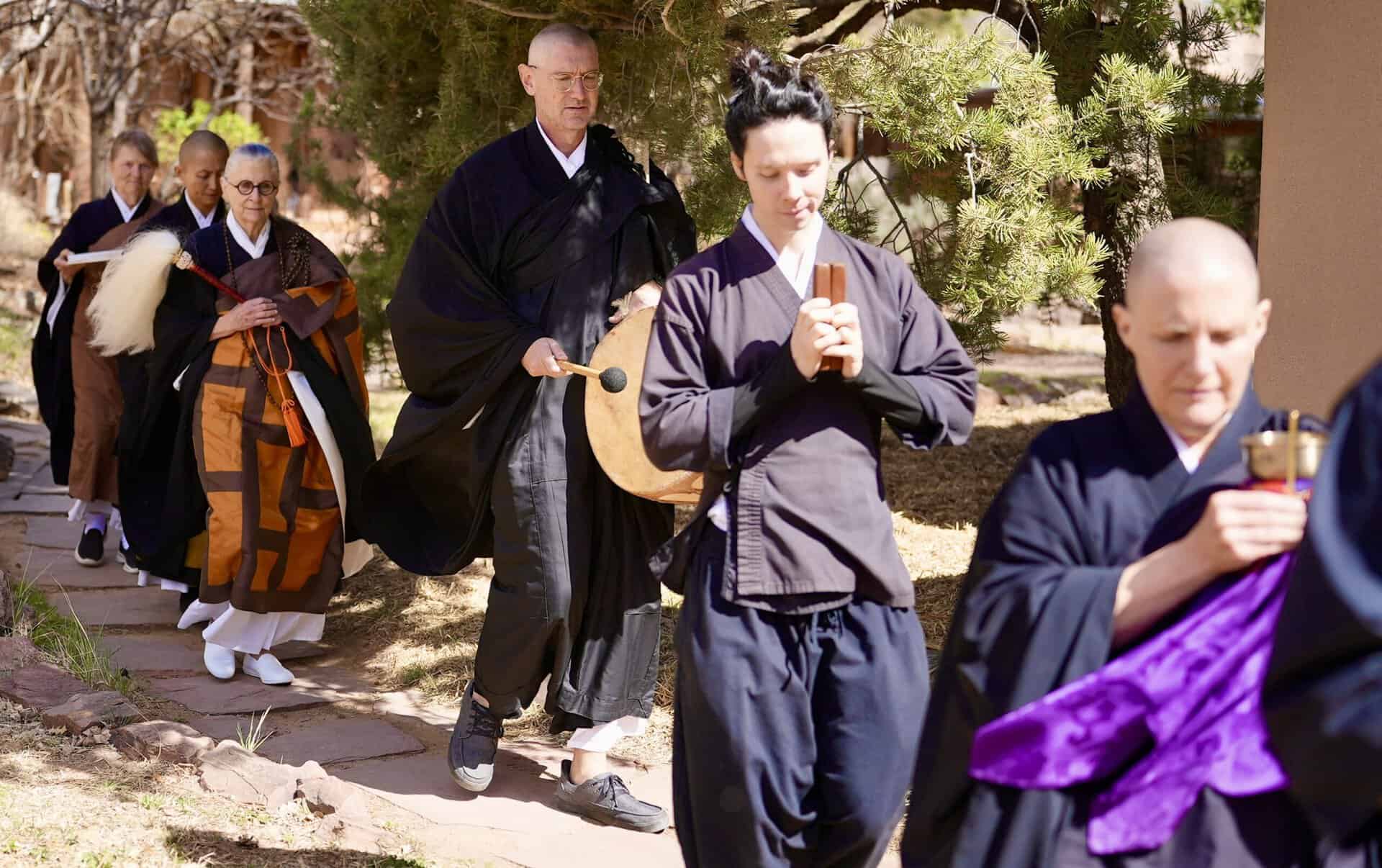
Upaya Zen Center is a Buddhist monastery and training center located in Santa Fe, New Mexico, founded in 1990 by Roshi Joan Halifax, one of the pioneering figures in the field of contemplative end-of-life care. Central to the community’s teaching is the Buddhist idea of “skillful means.” Namely, that wisdom must be adaptive, meeting people where they are rather than demanding they conform to a single form. The center offers daily zazen, weekly dharma talks, residential retreats, and a wide range of programs at the intersection of contemplative practice and social engagement, drawing teachers from Buddhism, neuroscience, medicine, ecology, and the arts.
Where does it demonstrate excellence in sustainability?
Framed within Buddhist precepts of vowing to do no harm, Upaya's Ethics Code is its most distinctive contribution to structural sustainability. Instigated following the inappropriate behavior of one of its senior teachers, the policy and governance processes are rigorous. It defines ethics violations, sexual harassment, and sexual misconduct with precision; specifies which relationships between teachers, staff, residents, guests, and students are prohibited and under what conditions; requires annual ethics training for all teachers, priests, staff, residents, board members, and committee members; mandates self-reporting of violations; and establishes a dedicated oversight body composed of three to five individuals who are not on the Abbot's Council, including potentially a mental health professional, a board member, or a local sangha member.
What stands out in their approach to sustainability?
Zen has a strong tradition of hierarchical teacher/student relationships. While these can lead to powerful experiences of spiritual growth, there is also a higher risk of suppressing critique and enabling exploitative relationships. Upaya’s understanding of the ethics of power between student and teacher is therefore particularly necessary. The one-year waiting period before romantic relationships can start after a teacher-student relationship ends is one example of safeguarding, and the extension of protections to peer relationships among new residents and staff reflects an understanding that anyone who is new, disoriented, or in the early stages of a significant life transition is particularly vulnerable and in need of boundaries.
Where do they struggle in their approach to sustainability?
Upaya's greatest structural vulnerability is one it shares with many contemplative communities built around a singular founder: the depth of Roshi Joan Halifax's presence in and significance to the institution. Now in her eighties, she remains the center's primary public voice, the author of its most widely known programs, and the figure whose reputation and relationships have drawn teachers, donors, and students to Santa Fe for three decades.
Although the center has taken meaningful steps to build a broader leadership structure, the question of how Upaya will navigate the eventual full transition away from its founder's leadership is one that no amount of structural planning can entirely resolve in advance.
Further Reading
Breen, John. Beyond Zen: D. T. Suzuki and the Modern Transformation of Buddhism. University of Hawaii Press, 2022.
Halifax, Joan, Frank Ostaseski, and Ira Byock. Being with Dying: Cultivating Compassion and Fearlessness in the Presence of Death. Shambhala, 2024.
Kaplan, Dana. Contemporary American Judaism: Transformation and Renewal. Columbia University Press, 2009.
Muravchik, Stephanie. American Protestantism in the Age of Psychology. Cambridge University Press, 2011.
Prell, Riv-Ellen. Prayer & Community: The Havurah in American Judaism. Wayne State University Press, 2018.
Taves, Ann. Revelatory Events: Three Case Studies of the Emergence of New Spiritual Paths. Princeton University Press, 2016.
Travis, Trysh. The Language of the Heart: A Cultural History of the Recovery Movement from Alcoholics Anonymous to Oprah Winfrey. University of North Carolina Press, 2010.
Yazaki, Saeko, and Michael Conway, eds. Sufism and Zen in the West: The Transformation of Modern Religious Life and Practice. I.B. Tauris, 2025.